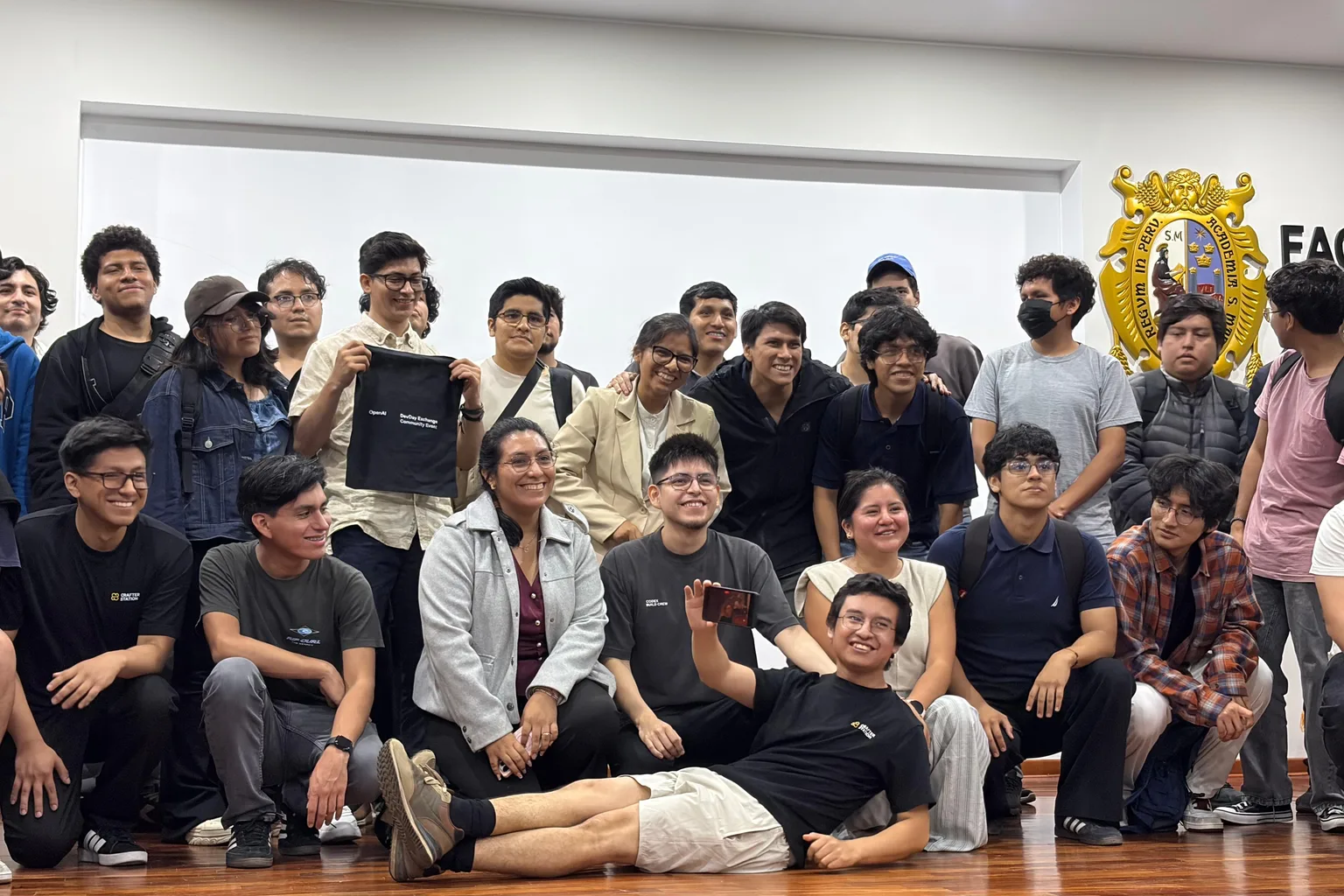
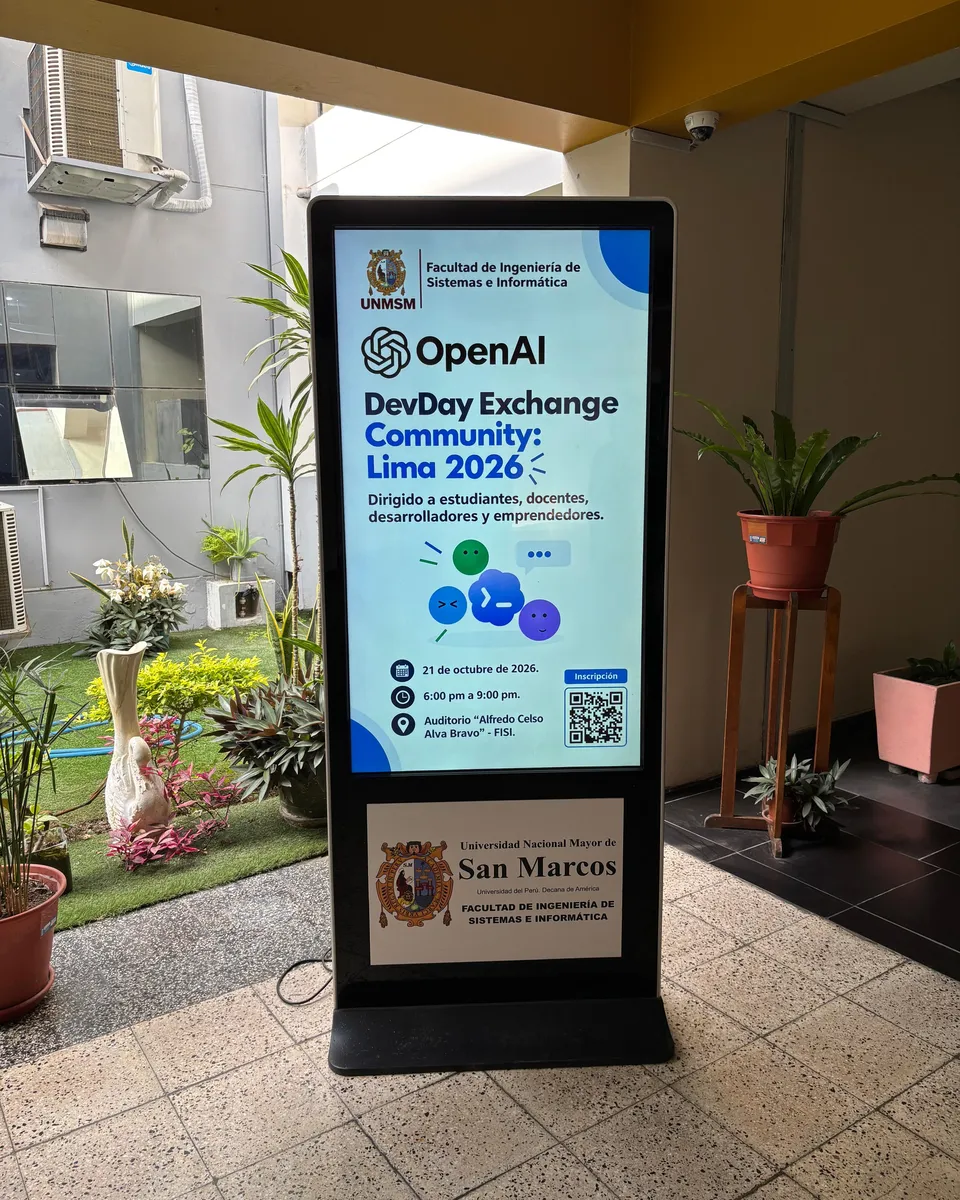
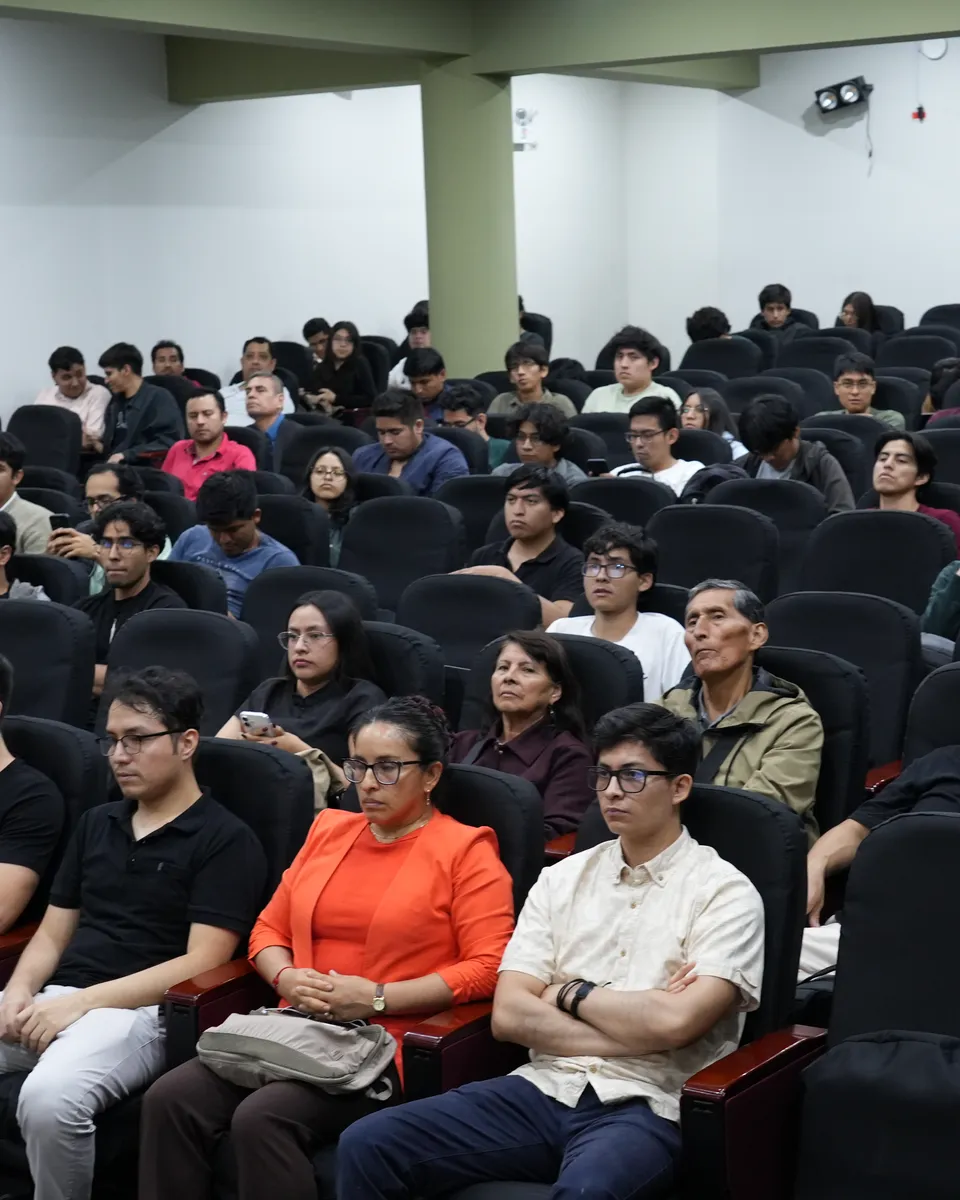
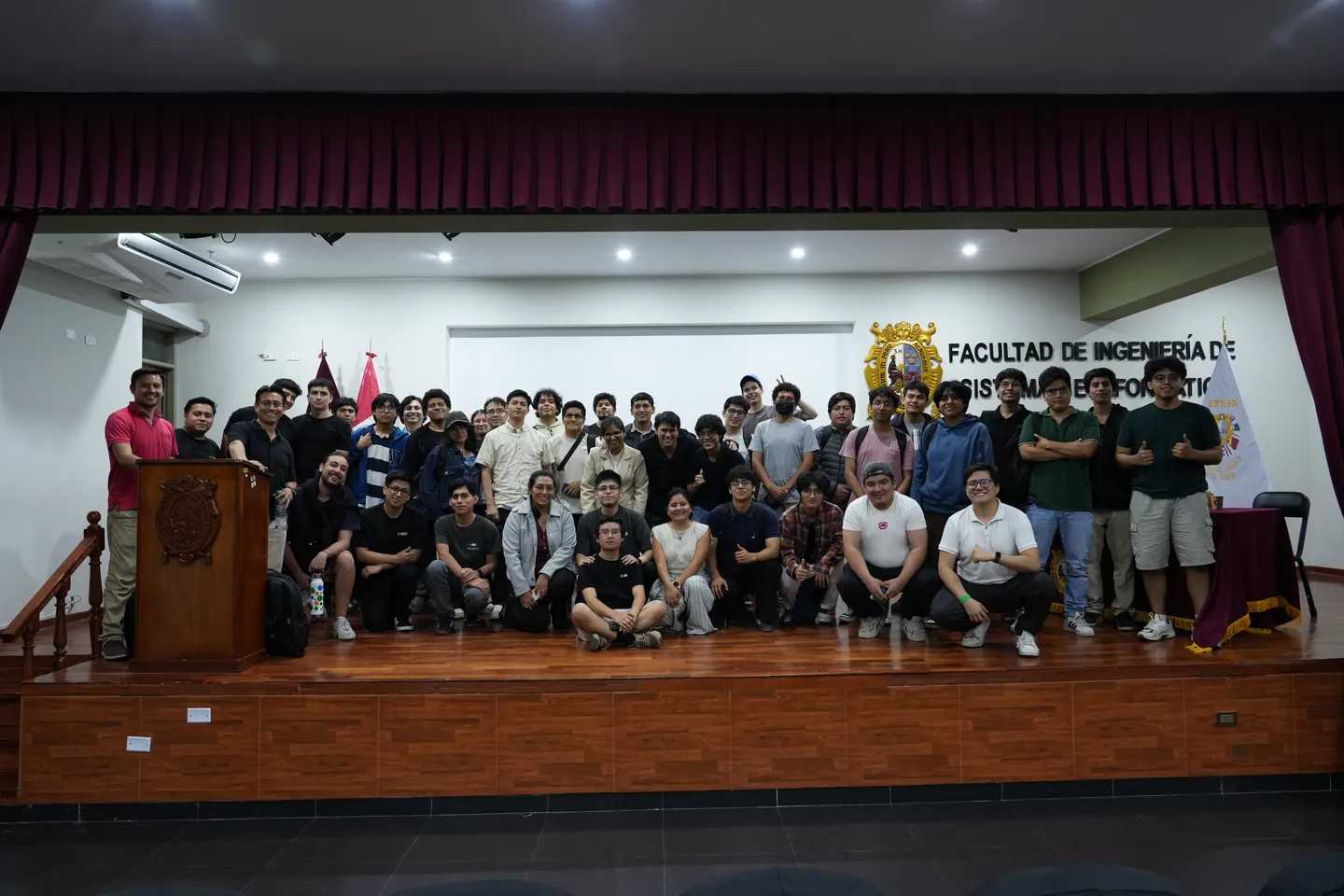
On October 21 I hosted DevDay Exchange Community: Lima at FISI, the systems engineering faculty of Universidad Nacional Mayor de San Marcos. 86 people were approved on Luma, most of them students, and the room was close to full. Every photo is in the event gallery.
The deck was built with Codex
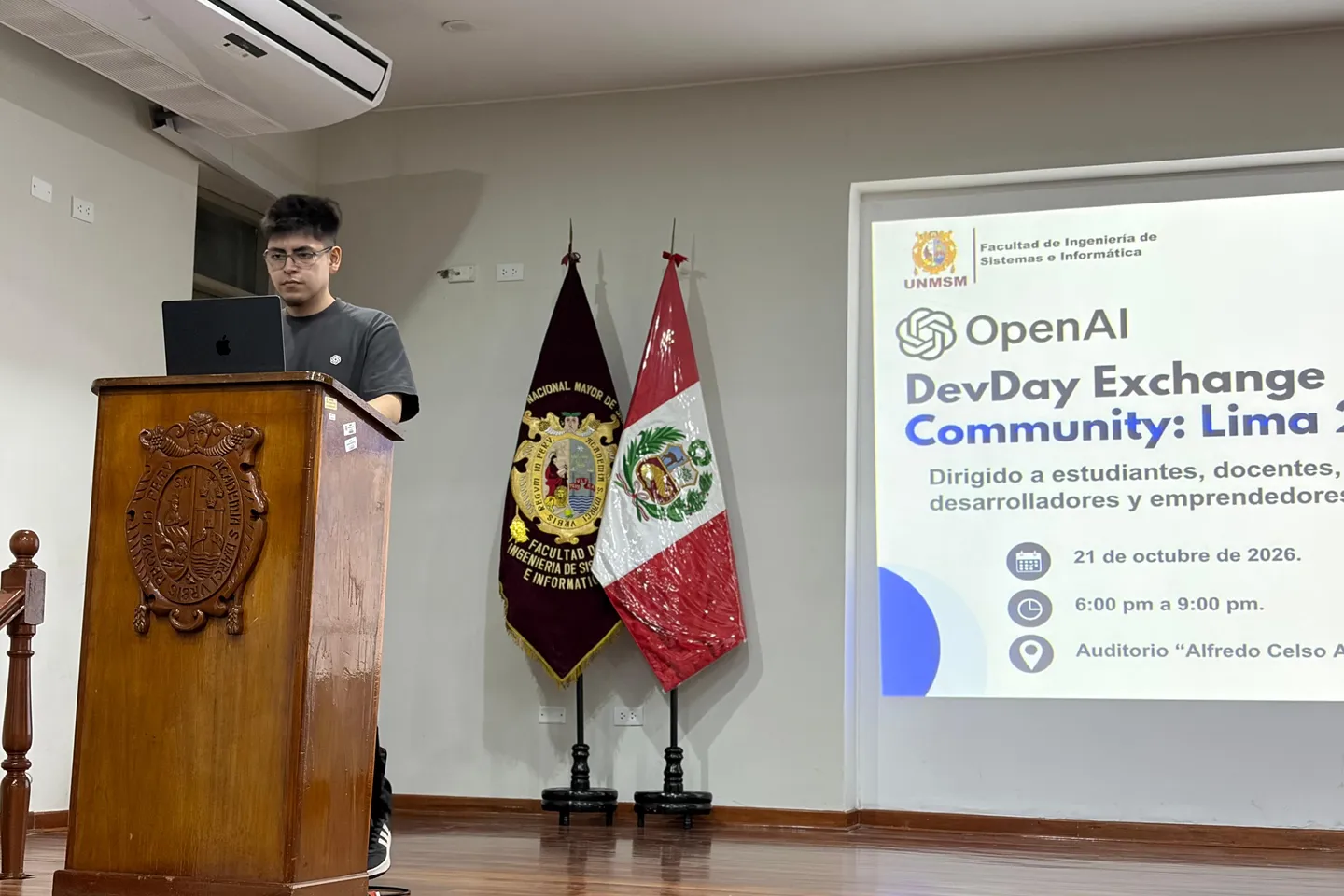
OpenAI shipped about twenty launches in one DevDay keynote. Nobody in that room needed all twenty. So I picked the ones that change how we build and split them with Edward Ramos, one of my Crafter Station co-founders.
I opened with Crafter Station and Makeables. Edward took always-on agents: Dots, ChatGPT Space, AppShots and the new platform pieces. We split models and APIs half and half: GPT-6.1 Sol, Ultrafast, Decisions and the Agents API. I came back to close with Codex: Cloud, the new CLI and code review.
The deck itself is a web app, and agents wrote most of it. Each slide has speaker notes and an owner, so the split between the three of us lived in the code. It’s at devday.crafter.run, and the source is in Railly/talks.
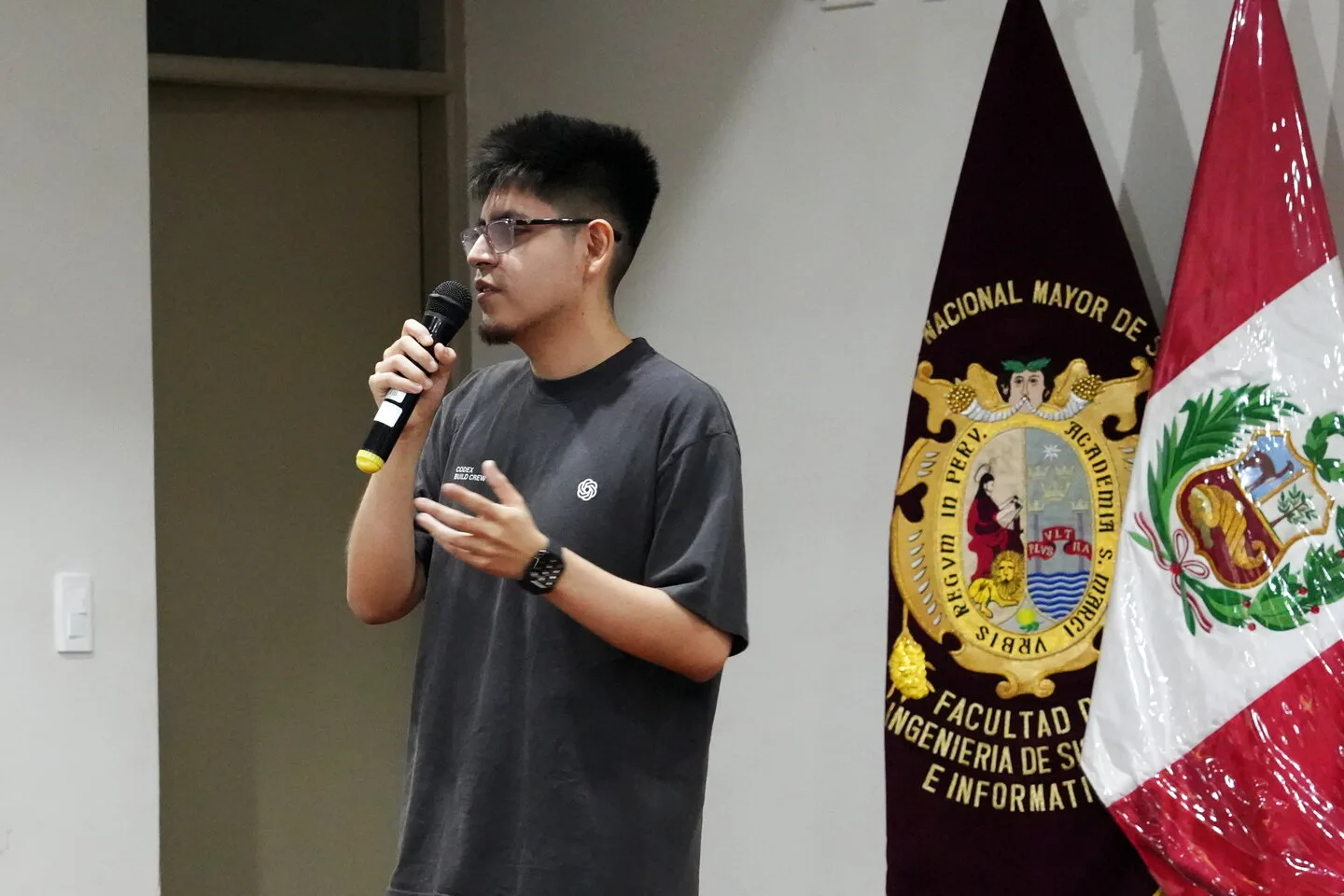
The live demo
For the demo I typed one prompt into Codex, in Spanish: build an app for DevDay at San Marcos. While I talked through what it was doing, Codex wrote a raffle wheel for the attendees. Watching an agent work in a terminal is a strange thing to put on a big screen, but the room followed along.
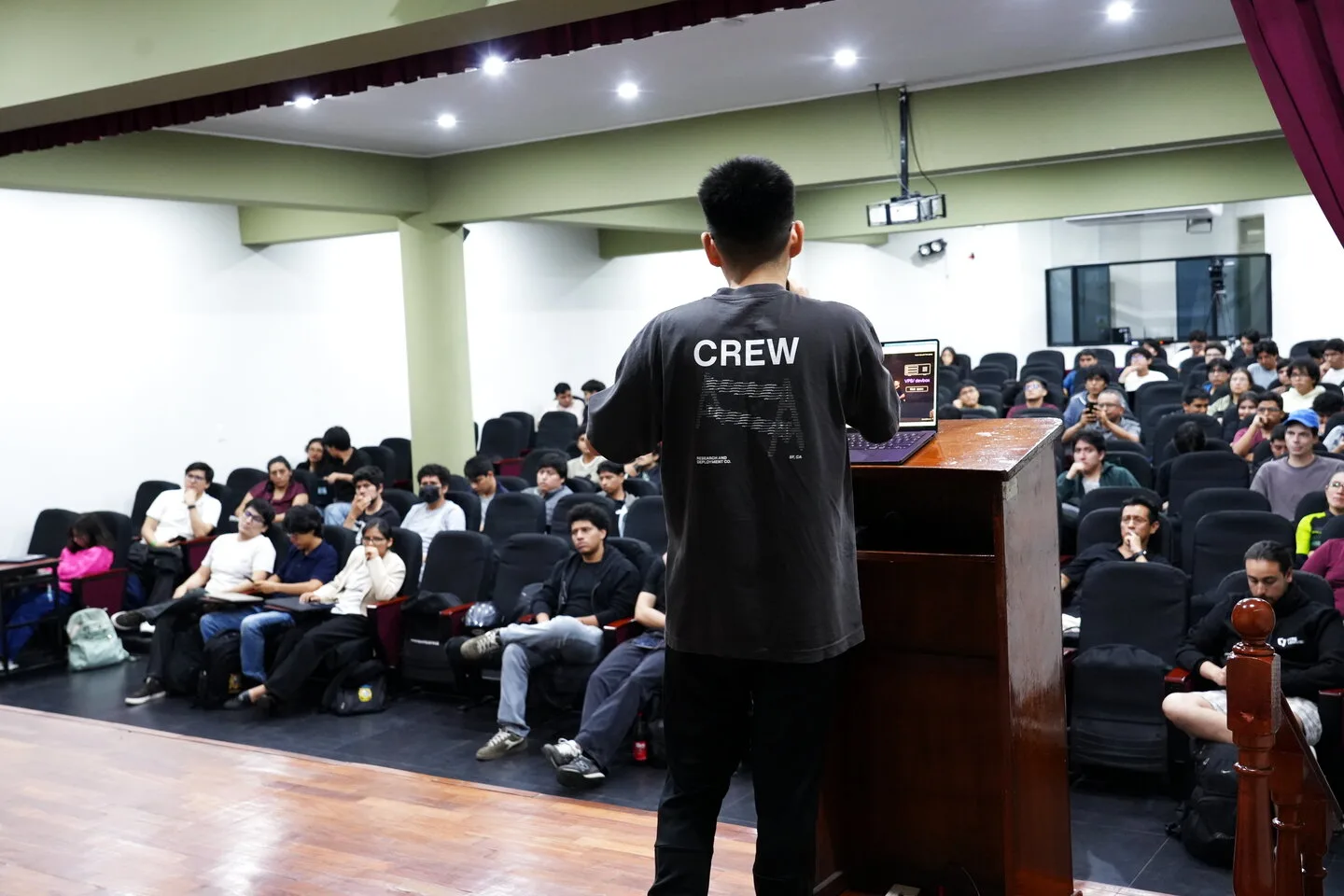
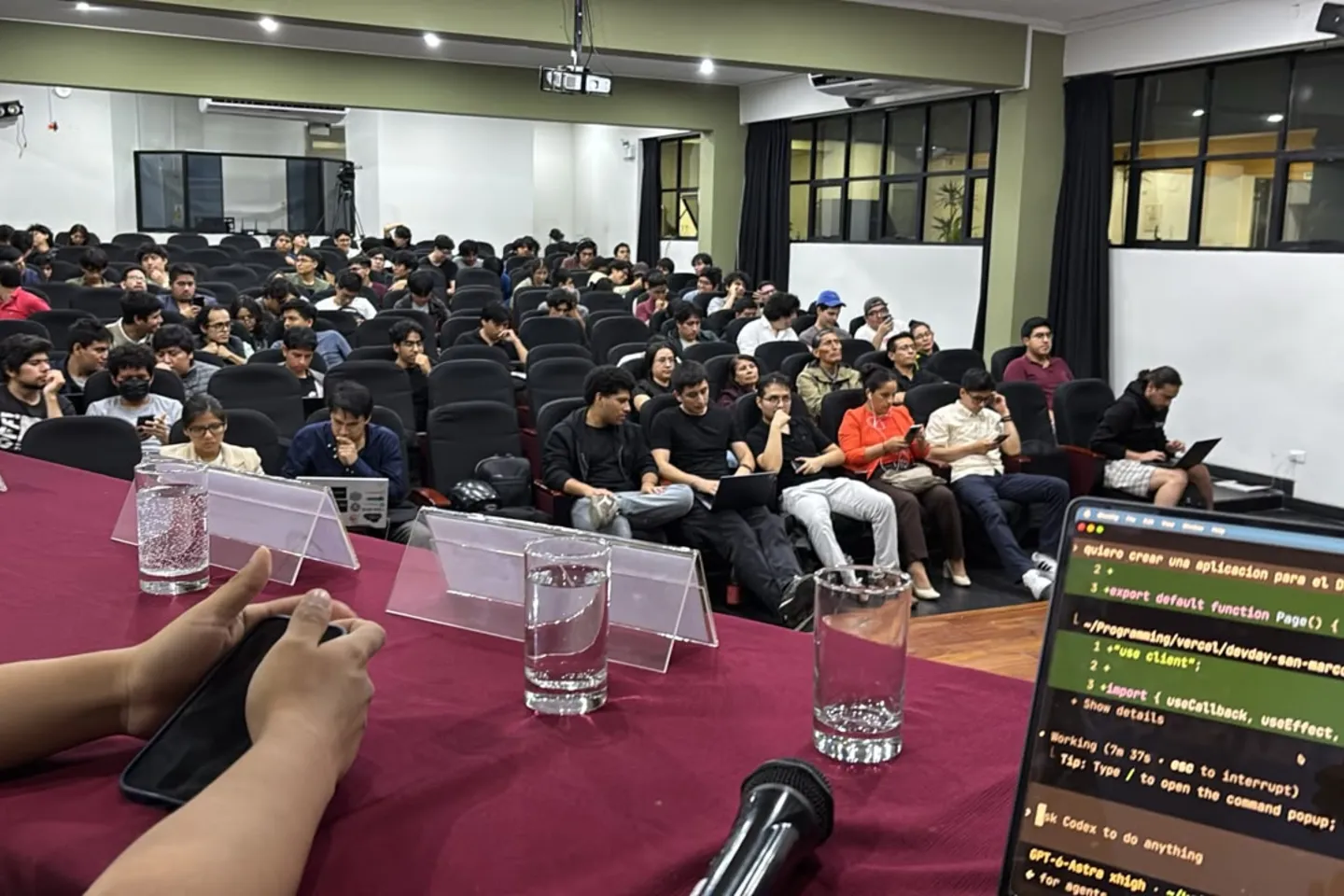
To close, we did a second demo on makeables.dev/play: we prompted a few small games in a couple of minutes and played them right there.
Everyone also got an OpenAI API credit code. People really valued that.
What didn’t work
The plan was a short recap, a demo, then an hour of people building with Codex and showing it in two minutes. We never got to the building part.
- The opening was formal. A university event comes with an emcee, opening words and speaker introductions. All of that is fair, but it ate the build block. Next time I’ll agree on a short opening in advance and have one person own the clock.
- The room wasn’t made for laptops. A lecture hall has great seats and almost no outlets. People moved to the sides to charge their phones. If the point is building, the venue has to have power and stable internet.
- I didn’t know who actually came. We didn’t check people in on Luma, so I can say 86 approved but only estimate how many walked in. Some left after the food. Check-in at the door is the first thing I’m fixing.
- I designed for the wrong crowd. At Hot Reload, our previous event, most people already shipped software. Here most were students. Students need something more guided, like a prepared exercise and facilitators walking the rows. Experienced builders want pitches and people to partner with.
What worked
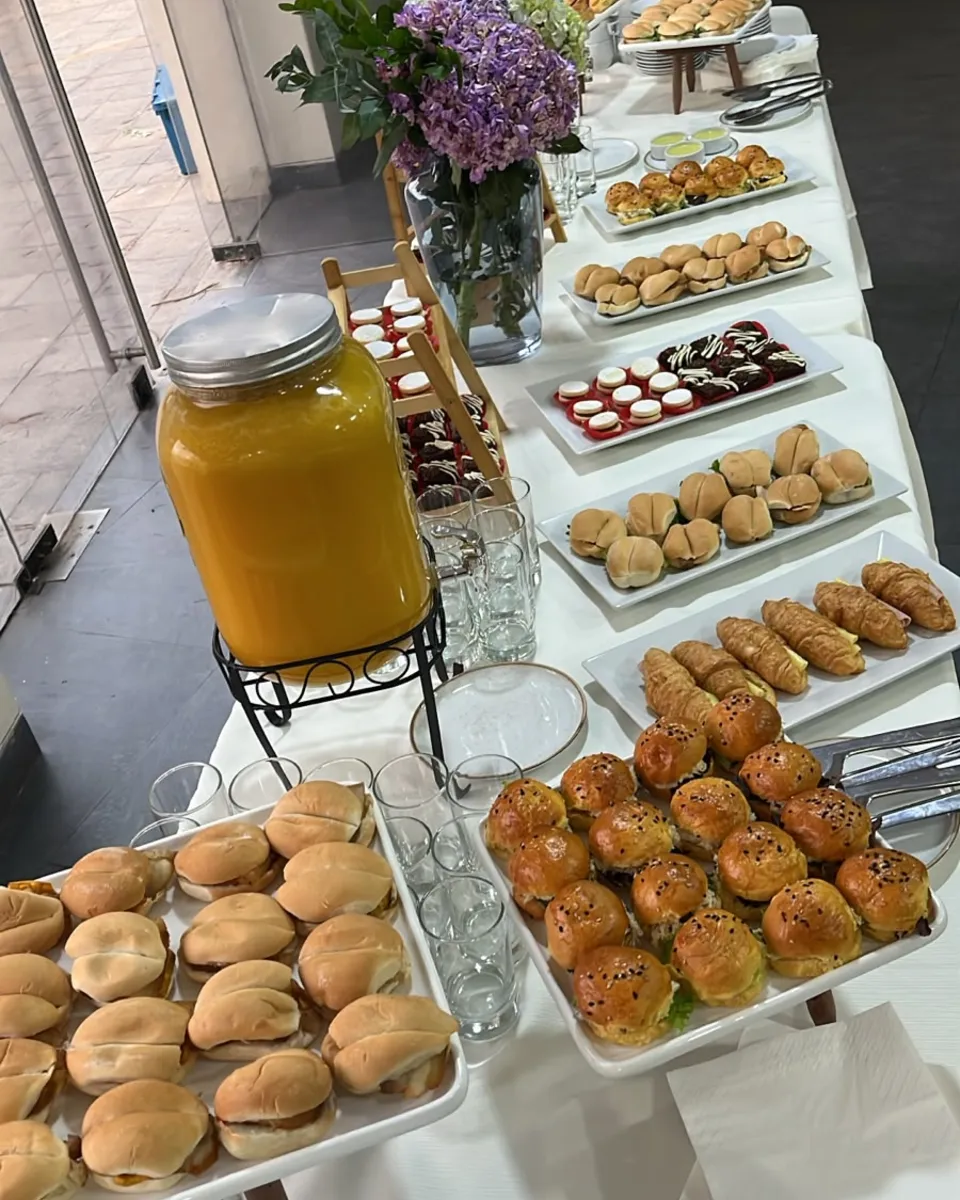
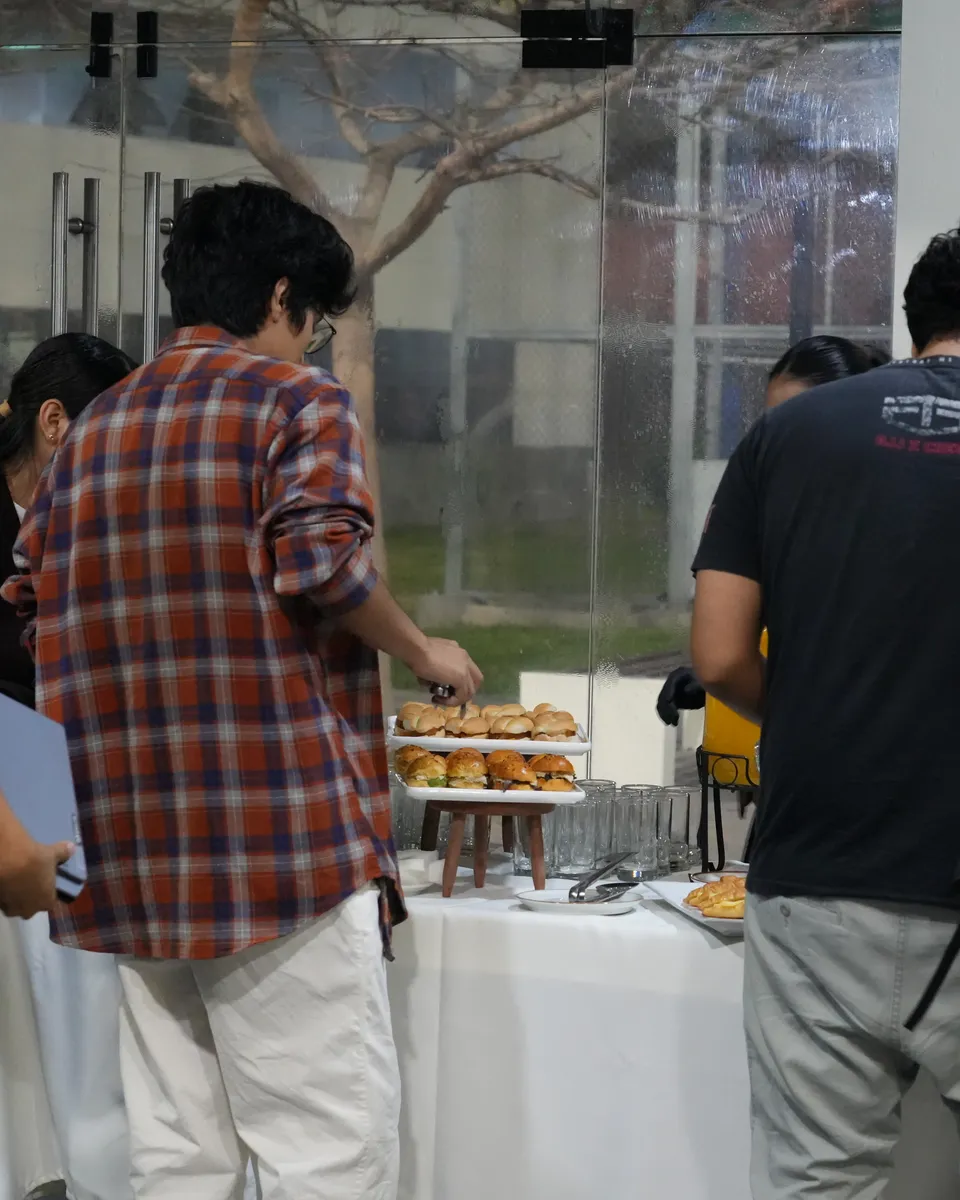
What stayed with me most was how warm people were. After the closing, people came up to say hi, ask for photos and connect on LinkedIn, and the conversation kept going through the food. The FISI staff helped us all night, and the crowd was great: people lined up for food without anyone asking.
Most of the room were students, a few years away from their first job. I hope we motivated some future engineers to start building their own things.
Next
The next one will be a build & ship night: a short intro, a timed block to build with Codex, two-minute demos, and a venue with outlets. If you’re in Lima and want to come or help, join Crafter Station.
Thanks to the crafters who made the night happen: Ignacio Rueda, Ignacio Velásquez, Edward Ramos, Carlos Tarmeño, Liz Riveros and Jibaru. And thanks to FISI and to the OpenAI Codex Community team for the credits and swag.